Commercial cleaning robots are now operational infrastructure, not novelty equipment. In 2026, buyers who succeed do not pick the robot with the most features. They pick the program that reliably cleans real spaces, with clear ownership and predictable support.
This guide is built for facility operators, procurement teams, and multi-site leaders who need practical guidance on brand selection, deployment procedures, mapping standards, elevator workflows, and long-term scale.
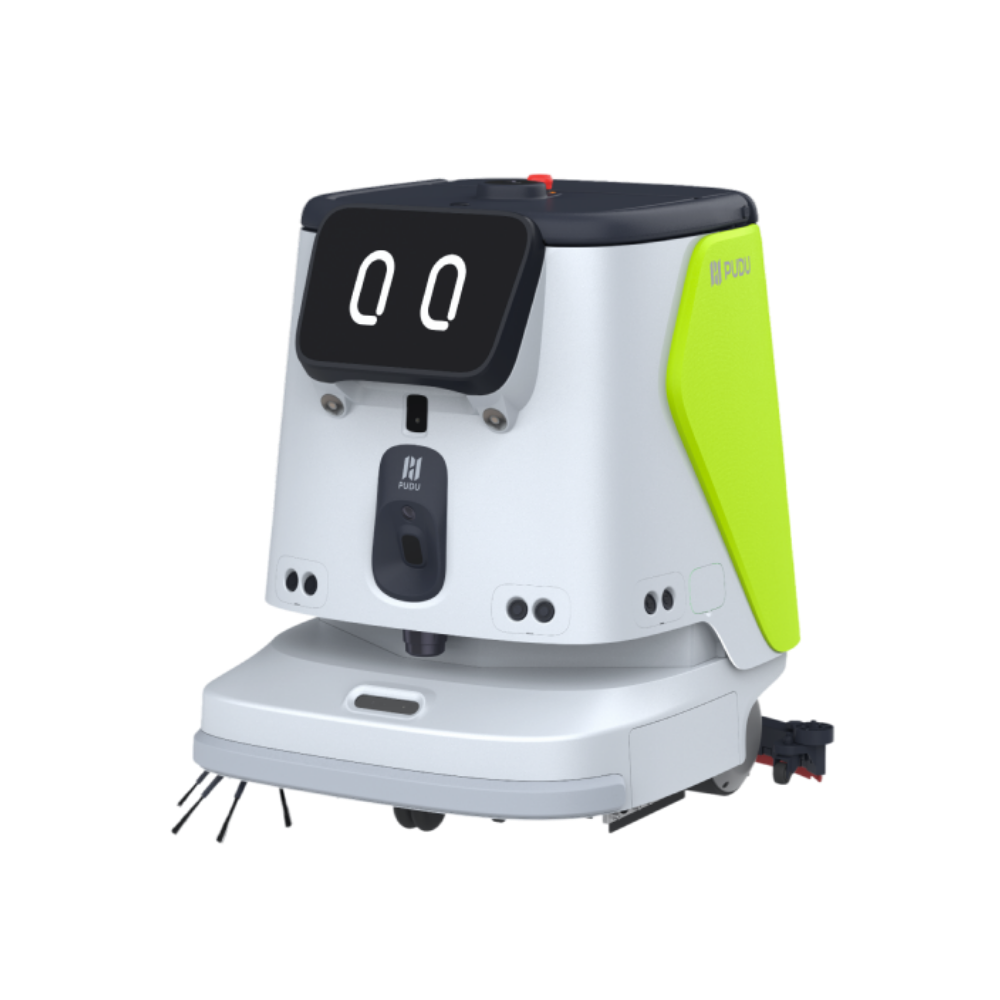 Example of a modern commercial cleaning robot platform used in large facilities.
Why 2026 is a different buying environment
The market matured, but complexity also increased. Most buyers are now comparing complete systems, not just single machines.
Key shifts:
- Labor pressure is still high for repetitive floor cleaning
- Navigation quality improved, but performance still varies by site type
- Stakeholders expect measurable outcomes (coverage, uptime, labor impact)
- Multi-site operators now demand standard deployment playbooks
The result: your selection criteria must include operations, service, and data workflows from day one.
How Mobotics does it right
At Mobotics, we qualify each site before recommending any platform. We align robot selection to floor type, traffic profile, and staffing reality so programs are designed for live operations, not showroom conditions.
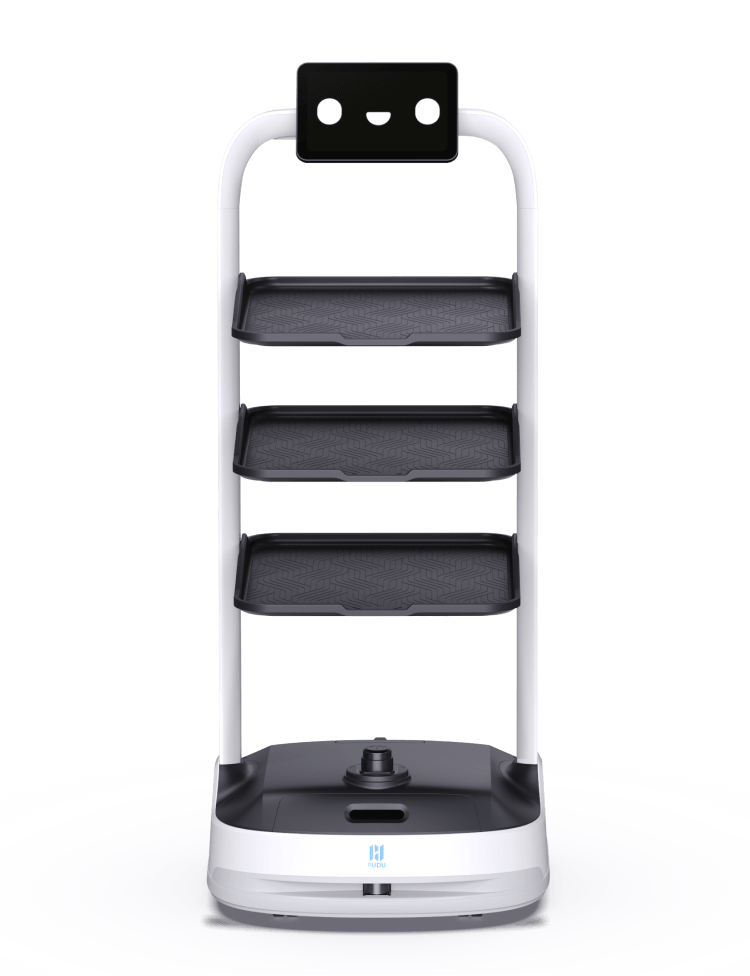 Operational fit starts with route planning, traffic behavior, and day-to-day ownership.
Step 1: Understand the brand landscape and platform types
Not all "cleaning robot brands" are equivalent. Some build hardware and software in-house, some are hardware-first with partner software layers, and some are white-labeled systems with limited local support.
Brand categories to evaluate
1) Established global OEM platforms
Typical strengths:
- Broad hardware portfolio
- Long product history
- Standardized parts ecosystem
Typical watchouts:
- Slower custom workflow adaptation
- Variable local service quality depending on region
2) Software-forward robotics brands
Typical strengths:
- Better fleet dashboards and reporting UX
- Faster workflow updates and feature releases
Typical watchouts:
- Service network may lag product roadmap
- Hardware dependency risk if sourcing changes
3) Integrator or white-label solutions
Typical strengths:
- Competitive pricing
- Flexible packaging for specific verticals
Typical watchouts:
- Inconsistent field support quality
- Unclear long-term update and parts roadmap
What buyers should request from every brand
- Reference customers in your exact facility category
- 12-month service performance metrics (response, resolution)
- Parts lead-time history for common failures
- Fleet uptime reporting examples from live accounts
- A named escalation path, not a generic support inbox
How Mobotics does it right
At Mobotics, we are platform-agnostic and operationally strict. We help customers compare brands using real deployment criteria: uptime consistency, serviceability, and fit to site workflow, not marketing claims.
Step 2: Match robot class to the labor block you are automating
Most failed deployments start with the wrong use case. Start with the task consuming the most repetitive labor hours.
Scrubbing and mopping robots
Best fit:
- Grocery and retail aisles
- K-12 and higher-ed corridors
- Logistics corridors and back-of-house zones
- Hospitality common areas
Success factors:
- Water management workflow is defined
- Drying performance is acceptable for site safety policy
- Run windows avoid peak crowd congestion
Vacuuming and dry-maintenance robots
Best fit:
- Offices and lobbies
- Daily dust-prone public circulation areas
- Facilities needing frequent light upkeep
Success factors:
- Debris profile is suitable for autonomous pickup
- Team has a clear schedule for bins/filters
Multi-function fleets
Best fit:
- Large sites with mixed floor zones and varied schedules
Success factors:
- Clear route ownership by zone
- Consistent operator handoff and exception SOPs
How Mobotics does it right
We start with a labor-block map: where time is spent today, where quality varies, and where automation produces immediate operational relief. That prevents overbuying and improves speed to ROI.
Step 3: Build a realistic ROI and TCO model
Do not rely on generic vendor calculators. Build a site-specific model using your real labor and schedule data.
Use these inputs:
- Current cleaning hours by zone and shift
- Fully loaded labor rate (wage, taxes, overhead, turnover)
- Rework frequency and supervision time
- Robot program cost (hardware, software, service)
- Consumables and preventive maintenance costs
- Expected intervention rate during steady state
Baseline formula
Annual manual cost:
hours_per_year x fully_loaded_labor_rate
Annual robotic program cost:
program_cost + consumables + maintenance + supervision_delta
Net annual impact:
manual_baseline - robotic_program_cost
For most buyers, practical payback targets are 12-24 months depending on labor market and site complexity.
How Mobotics does it right
We build ROI models from the customer's actual operating data, then validate assumptions during pilot. That gives leadership confidence that expansion decisions are based on evidence, not projections.
 ROI decisions should be made from site-level numbers, not generic assumptions.
Step 4: Follow a disciplined deployment procedure
Reliable outcomes come from process control. A deployment should run as a structured program with clear phase gates.
Phase 0: Site qualification
- Floor material and slope assessment
- Obstacle density and traffic heatmap
- Dock/refill power and water verification
- IT/network and building policy review
Exit criteria: site is technically and operationally ready.
Phase 1: Digital survey and route design
- Define zones by cleaning objective and priority
- Set route windows by traffic pattern
- Establish no-go and caution areas
- Draft recovery behavior for blocked paths
Exit criteria: draft routes and operating calendar approved.
Phase 2: Mapping and calibration
- Run initial map capture in low-traffic windows
- Validate route repeatability and stop points
- Tune speed, standoff distance, and cleaning parameters
- Confirm docking, refill, and restart reliability
Exit criteria: stable production map and validated run plan.
Phase 3: Pilot operations (30-60 days)
- Monitor coverage, uptime, and interventions weekly
- Track labor hours shifted to higher-value tasks
- Log incident classes and resolution time
- Review service responsiveness during live issues
Exit criteria: pass/fail against predefined KPI thresholds.
Phase 4: Scale and standardize
- Replicate playbook to additional zones/sites
- Set training certification for local operators
- Enforce monthly performance reviews
- Maintain change-control for map and route updates
Exit criteria: multi-site governance with repeatable performance.
How Mobotics does it right
Mobotics runs deployments with formal phase gates, KPI scorecards, and executive-ready reporting. We treat rollout as an operations program, so the pilot naturally transitions to scale.
Step 5: Mapping standards that prevent drift and downtime
Mapping is not one-time setup. It is a living operational asset that must be maintained as environments change.
Core mapping requirements
- Baseline capture protocol: map during controlled traffic windows
- Zone naming standard: consistent naming for reporting and support
- Change-control policy: who can modify maps and when
- Version history: map revisions with reason codes
- Validation checklist: route pass after every map update
When remapping is typically required
- Major floorplan changes (fixtures, shelving, staging)
- Persistent route failures at the same location
- Repeated docking alignment issues
- Seasonal layout shifts in retail or event spaces
Mapping KPIs to track
- Successful route completion rate
- Average interventions per 100 runtime hours
- Redock success rate
- Area coverage completeness by zone
How Mobotics does it right
At Mobotics, mapping is managed with version control discipline. We document every map change, revalidate routes before production use, and proactively review intervention hotspots to keep uptime stable.
Step 6: Elevator integration for multi-floor operations
Elevator integration is one of the biggest unlocks for high-rise and campus sites, but it introduces safety, IT, and control-system complexity.
Common elevator integration models
1) API/BMS integration
The robot requests elevator access through building systems.
Pros:
- Scalable and automated
- Better for enterprise multi-floor workflows
Watchouts:
- Requires IT/security alignment and testing
- Integration lead time can be significant
2) Relay or I/O based interface
Hardware signaling interfaces with elevator controls under approved conditions.
Pros:
- Practical in older buildings with limited digital interfaces
Watchouts:
- Requires strict safety and compliance validation
- Often needs close coordination with elevator vendors
3) Human-assisted transfer (interim mode)
Staff handles floor transitions while automation runs per floor.
Pros:
- Fastest to launch pilot
Watchouts:
- Limits scalability and labor savings
Elevator deployment checklist
- Building owner and elevator vendor approvals in writing
- Safety protocol for door timing, entry/exit behavior, fail-safe stops
- Network and authentication policy alignment
- Fallback procedure if elevator request fails
- Incident logging and post-event review workflow
How Mobotics does it right
Mobotics approaches elevator integration as a controlled engineering project. We align building stakeholders early, validate fail-safe behavior, and stage rollout floor-by-floor to protect safety and uptime.
 Multi-floor automation depends on clean integration between robot workflows and building systems.
Step 7: Evaluate service model, governance, and support depth
Robot performance depends on support maturity. Service quality is often the deciding factor in long-term success.
Ask vendors for:
- Published response and resolution SLA targets
- Preventive maintenance cadence and checklist
- Spare parts stocking policy by region
- Named escalation matrix with response ownership
- Training and recertification process for onsite teams
Governance model for multi-site buyers
- Monthly business review cadence
- Standard KPI dashboard across all sites
- Structured issue taxonomy and root-cause tracking
- Expansion gates tied to performance, not timeline
How Mobotics does it right
Our support model combines preventive maintenance discipline, field service coordination, and transparent escalation workflows. Customers get clear accountability from incident to resolution.
 Long-term success depends on support depth, escalation ownership, and preventive maintenance.
Common buying mistakes to avoid
Mistake 1: Choosing brand by demo performance alone
A controlled demo does not represent your live traffic, staffing, or route complexity.
Mistake 2: Launching without deployment SOPs
Without standard procedures, intervention rates climb and confidence drops quickly.
Mistake 3: Treating mapping as one-time setup
Facility environments change. If map governance is weak, uptime degrades.
Mistake 4: Skipping elevator planning until late phase
For multi-floor sites, elevator workflow decisions should happen before pilot design.
Mistake 5: Underweighting service and escalation readiness
Downtime costs can erase expected ROI even when hardware is strong.
How Mobotics does it right
We front-load risk reduction: clear SOPs, map governance, integration planning, and service ownership before scale decisions are made.
Final recommendation for 2026 buyers
The winning strategy is simple: select a platform that can run reliably in your environment, then deploy with disciplined procedures, map governance, and strong service accountability.
Cleaning robotics should be evaluated as an operating system for facility outcomes, not a standalone device purchase.
At Mobotics, that is exactly how we run programs: measurable, supportable, and designed to scale.
Related:
If you want a practical evaluation of your sites, contact us and we will help you build a deployment-ready plan based on your real operations.